publications
2026
-
 Bridget Steele, Victoria Tan, Deanna M. Giraldi, and 2 more authorsStudies in Higher Education, Jul 2026_eprint: https://doi.org/10.1080/03075079.2026.2693160
Sexual violence is a critical issue within higher education and governments and regulators globally are increasingly mandating institutions to prevent and respond to the problem. Yet, limited institutional-level evidence in the UK links students’ experiences of victimisation with their perceptions of institutional responses to sexual misconduct. Analysing data from an online survey administered to all enrolled students at a UK higher education institution in 2024, this study estimates the prevalence and nature of sexual harassment and sexual assault, respondents’ feelings of safety, and their perceptions of institutional handling of sexual misconduct. All administered measures were adapted from the ARC3 campus climate survey and SES-SFV instruments. We found high levels of past-year victimisation, with women experiencing substantially higher rates of sexual assault and sexual harassment than men. Perpetrators were predominantly men and most often fellow students, and reported incidents frequently occurred on university premises. Respondents who had experienced sexual violence expressed more negative perceptions of their institution’s response to sexual violence, highlighting a significant relationship between victimisation and perceptions of institutional responses to sexual misconduct. Interpreting these findings through frameworks of institutional betrayal, we argue that universities must move beyond compliance to address the cultural and structural conditions that enable sexual violence.
2025
-
 Victoria TanRace and Social Problems, Dec 2025
Racialized or ethnically marginalized groups typically have strong loyalties to particular political parties, but can these group loyalties be undermined? In this paper, I investigate whether racist but group-specific political discourse can alter these loyalties by activating a sense of linked fate among those who share a panethnic identity (e.g., as Asian). Using Canadian Election Study data in a quasi-experimental research design, I explore the impact of the highly visible, anti-Asian racism during the COVID-19 pandemic and whether this led to changes in political party support among different Asian ethnic groups, relative to the control, in Canada. I find that Conservative Party support declined more steeply for Chinese respondents than for any other Asian communities after the pandemic, despite Chinese being most likely to vote Conservative pre-pandemic. Therefore, I argue that periods of widespread discrimination can lead people to reject parties that are exclusionary against their group. However, despite their shared vulnerability to discrimination, this rejection of the Conservative party did not occur among all those who are racialized within Asian panethnic identity. Hence, racially hostile but group-specific language can potentially undermine a sense of linked fate and collective political action as a result.
-
 Victoria Tan, Arjumand Siddiqi, Falan Bennett, and 1 more authorSSM - Population Health, Sep 2025
Inequalities in the social determinants of health have intensified in many places around the world, calling into question whether these changing trends have also altered trends in health inequalities. While some literature has evaluated health inequalities over time, the link between changing socioeconomic conditions and trends in health inequalities is relatively underdeveloped in population health. Motivated by this need, we have assembled a special issue to address the question: how and why are health inequalities changing over time? The inclusion criteria were broad as we considered any study so long as it evaluated health inequalities across structural drivers in a dynamic manner. The call for papers also encouraged articles from areas outside the Global North. With this introduction to the special issue, we present the 16 included papers and what they have captured regarding trends in health inequalities around the world.
2024
-
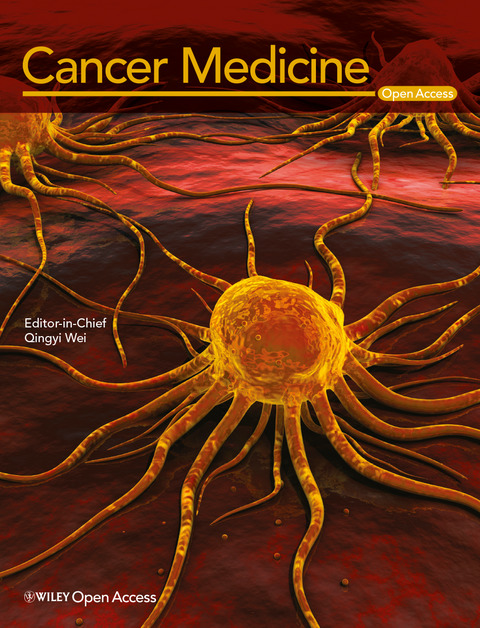 Christian J. Lopez, Daniel Santa Mina, Victoria Tan, and 6 more authorsCancer Medicine, 2024_eprint: https://onlinelibrary.wiley.com/doi/pdf/10.1002/cam4.7009
Background Although oncology clinical practice guidelines recognize the need and benefits of exercise, the implementation of these services into cancer care delivery remains limited. We developed and evaluated the impact of a clinically integrated 8-week exercise and education program (CaRE@ELLICSR). Methods We conducted a mixed methods, prospective cohort study to examine the effects of the program. Each week, participants attended a 1-h exercise class, followed by a 1.5-h education session. Questionnaires, 6-min walk tests (6MWT), and grip strength were completed at baseline (T0), 8 weeks (T1), and 20 weeks (T2). Semi-structured interviews were conducted with a sub-sample of participants about their experience with the program. Results Between September 2017 and February 2020, 277 patients enrolled in the program and 210 consented to participate in the research study. The mean age of participants was 55 years. Participants were mostly female (78%), white/Caucasian (55%) and half had breast cancer (50%). Participants experienced statistical and clinically meaninful improvements from T0 to T1 in disability, 6MWT, grip strength, physical activity, and several cancer-related symptoms. These outcomes were maintained 3 months after program completion (T2). Qualitative interviews supported these findings and three themes emerged from the interviews: (1) empowerment and control, (2) supervision and internal program support, and (3) external program support. Conclusions This study demonstrates the impact of overcoming common organizational barriers to deliver exercise and rehabilitation as part of routine care. CaRE@ELLICSR demonstrated clinically meaningful improvements in patient-reported and functional outcomes and was considered beneficial and important by participants for their recovery and wellbeing.